The Rise and Media Impact of Monument Valley
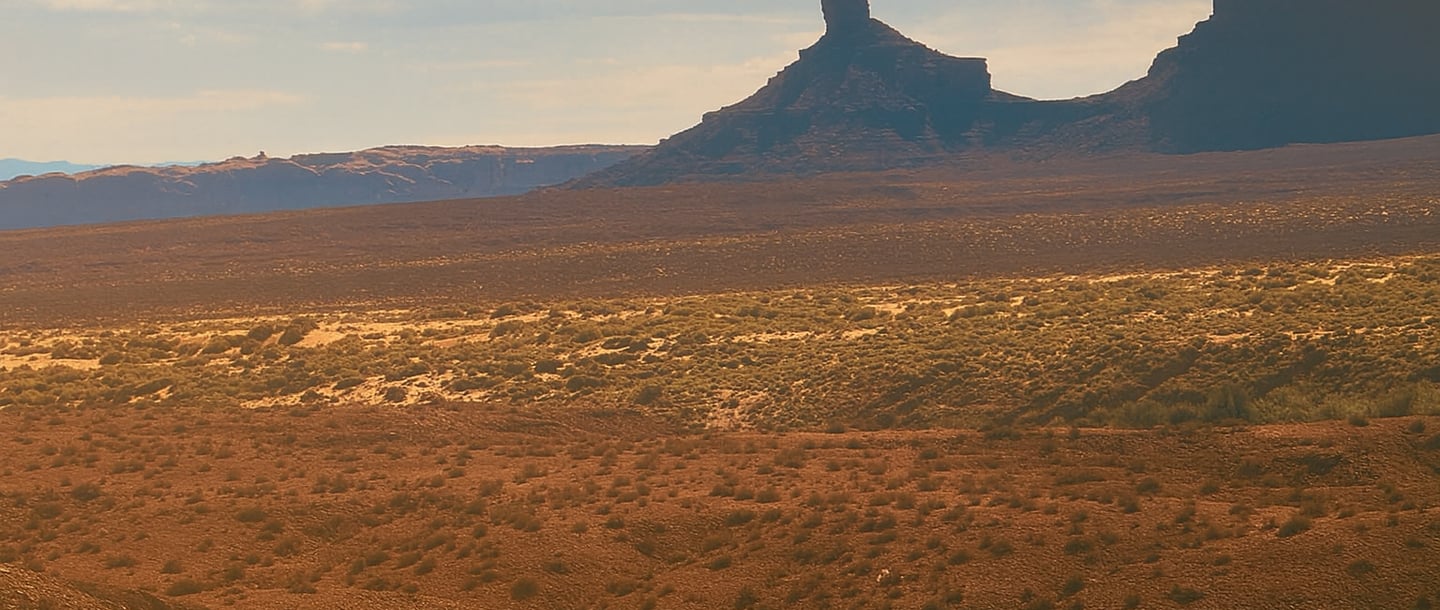
Monument Valley's rise to global fame began in 1939 when director John Ford selected the region for his film, Stagecoach. This established the iconic landscape as the quintessential image of the American West. The valley, home to the Navajo Nation, was put on the map by Harry and Leone "Mike" Goulding, who showed photographs to Hollywood producers during the Great Depression to help the local community. Ford's subsequent Westerns, including The Searchers , solidified its cinematic legacy. Beyond Westerns, the valley has starred in modern films like Forrest Gump and various music videos, drawing over 350,000 annual visitors. Today, the Monument Valley Tribal Park balances tourism, economic benefit, and cultural preservation.
TRAVEL AND ADVENTURE
avenoraaesthetics.com
11/26/20255 min read
The Rise of Monument Valley in Tourism and Media
Early Tourism and the Gouldings
In the early twentieth century, Monument Valley was an isolated region, unfamiliar to most outsiders. The first non-Native visitors included adventurous travelers, artists, and writers who were captivated by the valley’s stark and unique beauty. In 1925, Harry and Leone “Mike” Goulding established a trading post at the northwest edge of the valley. This post became a center for trading goods with the Navajo and served as a hub for the sparse local community.
The Great Depression and a severe drought in the 1930s severely affected the Navajo population. In response, Harry Goulding sought new opportunities to support the community. Learning that Hollywood was searching for dramatic Western landscapes, he traveled to Los Angeles with photographs of Monument Valley. His efforts were rewarded when director John Ford selected Monument Valley as the setting for his 1939 film, Stagecoach, propelling the valley into the global imagination.
Hollywood’s Embrace and Global Fame
Stagecoach was both a critical and commercial hit, making John Wayne a star and establishing Monument Valley as the quintessential image of the American West. John Ford returned to Monument Valley for several subsequent films, including My Darling Clementine (1946), Fort Apache (1948), She Wore a Yellow Ribbon (1949), The Searchers (1956), and Cheyenne Autumn (1964). The valley’s dramatic scenery became closely associated with the Western genre, influencing generations of filmmakers and shaping popular perceptions of the frontier.
The presence of Hollywood in Monument Valley brought economic benefits to the Navajo community. Local residents were hired as extras, guides, and crew members. The influx of film crews and tourists led to the expansion of the Gouldings’ trading post into a lodge and restaurant, eventually culminating in the creation of the Monument Valley Tribal Park in 1958.
Monument Valley in Modern Tourism
Today, Monument Valley is among the most visited destinations in the American Southwest, attracting more than 350,000 visitors each year. Its fame continues to grow through appearances in films, commercials, music videos, and social media. Visitors are drawn to attractions such as the 17-mile Valley Drive, guided tours to restricted areas, sunrise and sunset photography, and stargazing under some of the region’s darkest skies.
The opening of The View Hotel in 2008, the only lodging inside the tribal park, marked a new era of Navajo-led tourism. This development offers visitors immersive experiences and direct engagement with Navajo culture. Park management remains focused on balancing tourism with conservation and cultural preservation, ensuring that Monument Valley remains a place of wonder and meaning for future generations.
Famous Movies and Music Videos Filmed in Monument Valley
Monument Valley’s Cinematic Legacy
Monument Valley’s extraordinary landscape has attracted filmmakers, photographers, and artists for nearly a century. Its towering buttes and sweeping vistas have become the visual essence of the American West, featured in classic Westerns, modern blockbusters, television shows, commercials, and music videos.
John Ford and the Western Myth
Director John Ford is especially linked to Monument Valley, having filmed at least seven major Westerns in the valley. His use of the landscape in Stagecoach (1939) set new standards for the genre, and later works like The Searchers (1956) and She Wore a Yellow Ribbon (1949) further solidified the valley’s iconic status. Ford’s films often used the valley’s formations as symbolic backdrops, giving his stories a sense of grandeur and mythic scale.
Beyond the Western: Modern Films and TV
While Westerns are the most famous genre associated with Monument Valley, the valley has also appeared in science fiction, action, comedy, and animated films. Examples include Stanley Kubrick’s 2001: A Space Odyssey (1968), Robert Zemeckis’s Forrest Gump (1994), and Pixar’s Cars (2006), which features a stylized version called “Ornament Valley.” Television shows ranging from classic cartoons like Road Runner to modern series such as Westworld and Doctor Who have also used the valley’s scenery.
Music Videos and Album Covers
The dramatic vistas of Monument Valley have inspired musicians and artists. The valley has appeared in music videos for Metallica (“I Disappear”), Soulfly (“Prophecy”), and Kanye West (“Bound 2”). Album covers by bands such as the Eagles, Led Zeppelin, and Drive-By Truckers feature the valley’s unmistakable silhouettes.
Famous Filming Anecdotes
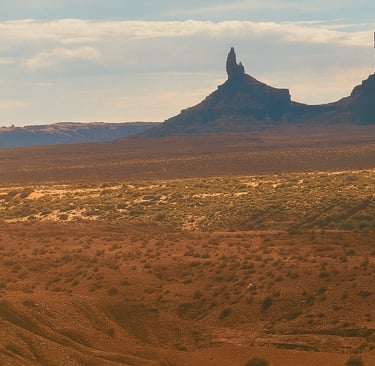
One legendary story involves the Totem Pole, a slender spire revered in Navajo tradition. In 1975, Clint Eastwood and George Kennedy climbed the Totem Pole for a scene in The Eiger Sanction. As part of their agreement with the Navajo Nation, the crew removed all previous climbing hardware, and climbing has been prohibited since.
Another iconic location is Forrest Gump Point on US-163, where Tom Hanks’s character ends his cross-country run in Forrest Gump. This spot has become a must-see for fans and photographers, offering one of the most recognizable views of the valley.
Notable Media Appearances in Monument Valley
National Lampoon’s Vacation (1983) Harold Ramis
Mission: Impossible II (music video) (2000) Metallica
Doctor Who (“The Impossible Astronaut”) (2011) Toby Haynes
Soulfly “Prophecy” (music video) (2004) Soulfly
Metallica “I Disappear” (music video) (2000) Metallica
Analysis of Monument Valley’s Media Impact
Monument Valley’s enduring appeal in media comes from its dramatic visuals and symbolic meaning. For filmmakers like John Ford, the valley provided a ready-made stage for stories of heroism, conflict, and the search for meaning in the American frontier. The striking contrasts of light and shadow, monumental buttes, and timeless atmosphere contribute to its power as a cinematic icon.
Modern productions continue to draw on this legacy, using Monument Valley to evoke nostalgia, authenticity, and even otherworldliness. For example, 2001: A Space Odyssey used it as an alien landscape, while Cars paid whimsical homage. Music videos and album covers use the valley’s forms to express themes of journey, transformation, and the American spirit. Advertisers often feature Monument Valley when seeking to associate their brands with ruggedness or freedom, further embedding its image in popular culture.
The cumulative result of these media appearances is that Monument Valley has become one of the most photographed and visited landscapes in the United States. Tourists from around the world come to experience the “real” West as they have seen it on screen.
Disclaimer
This article contains affiliate links. If you click on them and make a purchase, there is absolutely no extra cost to you. By using these links, you’re helping support the creation of more valuable, in‑depth content like this. Your support gives us the courage and opportunity to keep exploring, sharing hidden gems, and delivering authentic travel insights. Thank you for being part of the journey!